Hendrik de Leth (Ámsterdam, 31 de mayo de 1703 - Ámsterdam, 17 de junio de 1766) fue un grabador, grabador, cartógrafo, dibujante, librero, comerciante de arte, editor de grabados, coleccionista de arte y coleccionista de naturalia.
Hendrik de Leth era hijo de Andries de Leth (cortaplatos, librero, 1662-1731) y Nelletje Middenheespen. Hendrik tenía un hermano mayor, Christiaan de Leth. En 1742, Hendrik se casó con Sophia Otto, quien murió en 1753. Su matrimonio no tuvo hijos. Era probable que el sobrino Andries, hijo del hermano de Hendrik, Christiaan, se convirtiera en el sucesor del negocio de Hendrik. Sin embargo, murió en 1743. En 1766, Hendrik de Leth hizo redactar un testamento poco antes de su muerte, por el cual Catharina le Blanc, nieta del hermano Christiaan, se convirtió en heredera. El 30 de septiembre de 1766 se realizó la subasta de su patrimonio.[3]
En 1728, Hendrik se unió al gremio de libreros. Antes de eso, fue alumno de su padre Andries de Leth, quien se hizo cargo del concesionario de mapas, grabados y arte 'Op de Beurssluys, in den Visscher' en Amsterdam del cartógrafo y grabador Nicolaas Visscher II. Hendrik de Leth a su vez se hizo cargo de esta empresa tras la muerte de su padre en 1731.
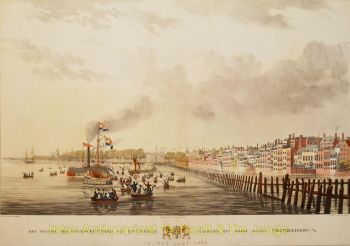
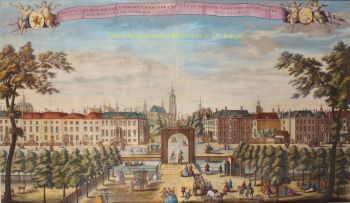
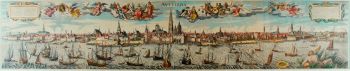
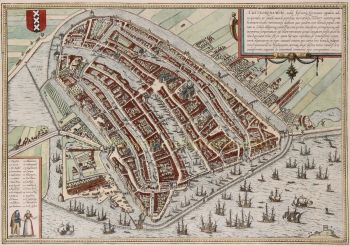
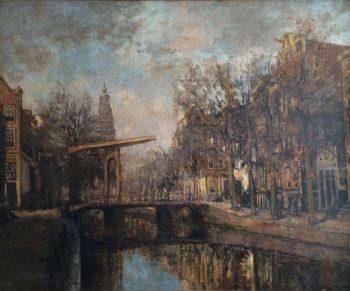
Ya en 1725, se publicó la obra Imágenes de la ciudad Wijdtvermaarde de Ámsterdam, además de sus Edificios y Gesites más importantes, todos dibujados con precisión después de la vida y publicados en Ámsterdam.
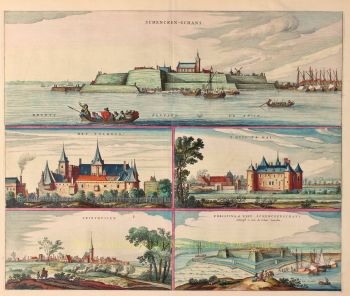
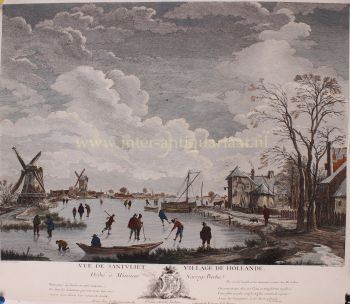
Su obra más conocida con 100 grabados se publicó en 1730: El esplendor de la bendición Kennemerlant: muestra muchos rostros gloriosos de los lugares de placer más importantes de este último, casas nobles, edificios de pueblos y ciudades: comenzando con Kastrikum (...) / dibujado después de la vida y en el cobre traído por H. de Leth; y descrito brevemente por M. Brouërius van Nidek. - Amsterdam: De Leth, 1730. Muchos grabados que De Leth hizo de Amsterdam se pueden encontrar en los archivos de la ciudad de Amsterdam.
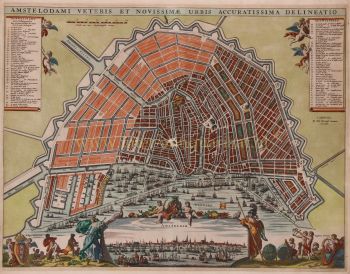
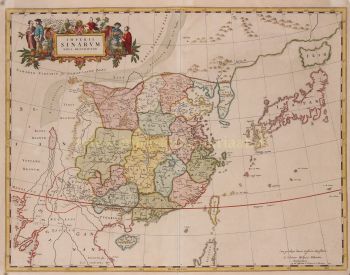
Como cartógrafo, De Leth fue mejor conocido por su Nuevo Atlas Geográfico y Atlas Histórico, Van de Zeven Vereenigde Nederlandsche Provintien, publicado en 1740. De Leth también se hizo conocido por los grabados en cobre que realizó alrededor de 1758 del Mapa General de la Colonia o Provincia de Surinam según el diseño de Alexander de Lavaux.